This year we’ve introduced a new category in the Independent Schools Victoria Student Poetry Competition: Ekphrastic Poetry.
We’re encouraging teachers (and parents) to explore this rich and engaging form of creative writing with their students. Paired with our 2026 optional theme, Fruit, it opens up exciting opportunities for observation, imagination and cross‑curricular learning across year levels.
Ekphrastic poetry is poetry inspired by a visual artwork or object. At its core, ekphrastic poetry asks students to:
- observe closely
- interpret what they see
- translate visual details into language.
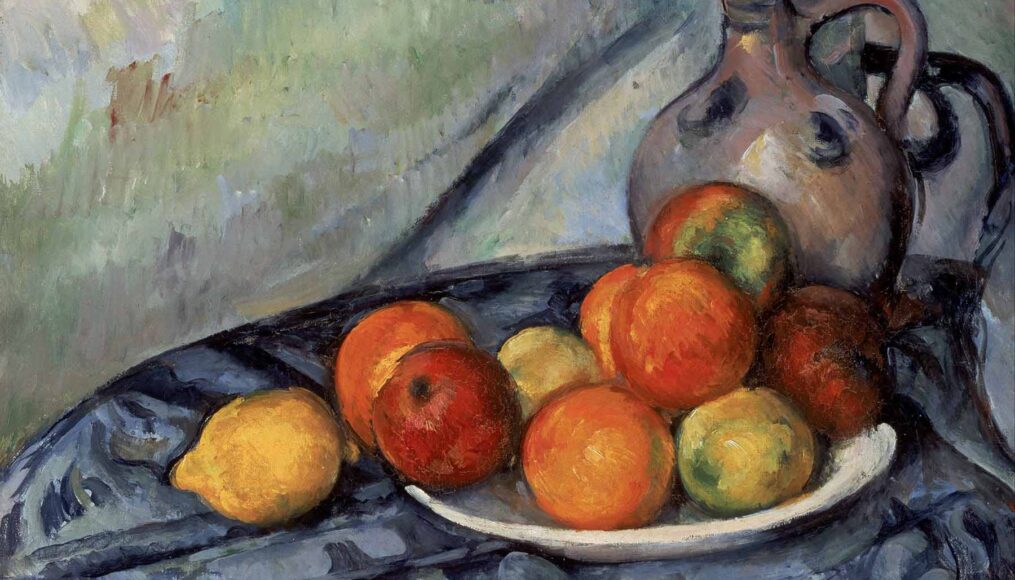
Rather than simply describing the artwork, students are encouraged to respond creatively. An ekphrastic poem might:
- tell the story behind the image
- give a voice to an object or subject within the artwork
- explore emotions, memories or symbolism suggested by the artwork
- imagine what happened before or after the moment depicted.
This makes ekphrastic poetry especially effective in classrooms, as it supports visual literacy, empathy, critical thinking and expressive language.
Ekphrastic poetry works well for students of all ages and abilities because it:
- reduces creative anxiety; students write from a visible starting point
- encourages close observation and attention to detail
- supports cross‑curricular links with Visual Arts, History, Humanities and Science
- allows both literal and imaginative responses.
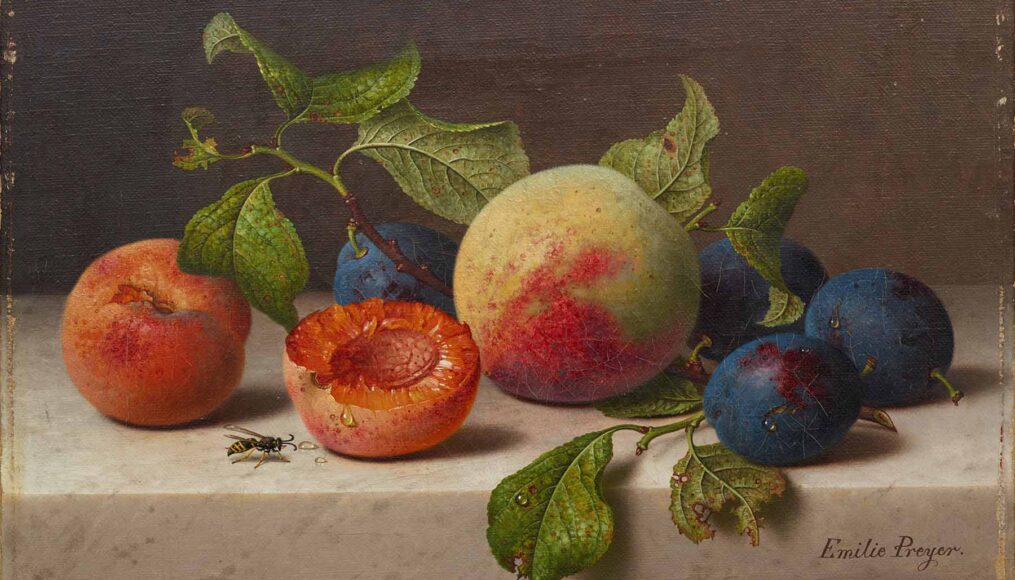
Students do not need advanced poetic techniques to succeed. A powerful ekphrastic poem can be simple, clear and heartfelt.
For this year’s Student Poetry Competition, students are invited to create ekphrastic poems inspired by fruit.
Fruit is a universal and universally accessible theme. It can be explored visually, symbolically, scientifically, culturally and emotionally – making it ideal for a wide range of year levels.
Students may base their poem on:
- a drawing, painting, photograph, collage, or still life featuring fruit. We encourage students to explore our curated collection of fruit‑inspired artworks to spark ideas for their poetry
- a real piece of fruit observed closely in the classroom.
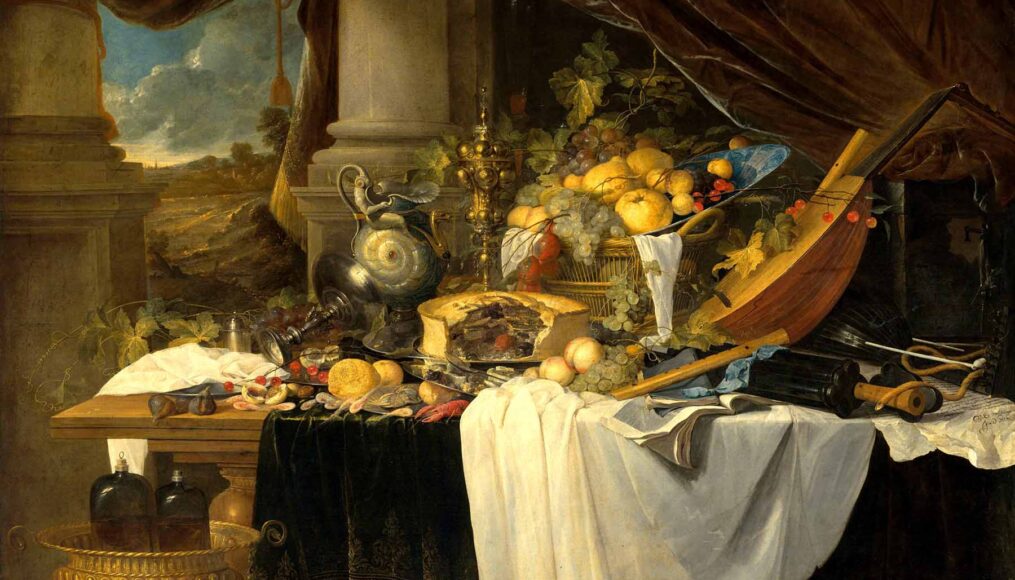
Encourage students to look closely at:
- colour, texture, shape and light
- signs of ripeness, decay, freshness or damage
- placement of fruit in the image (foreground, background, bowl, tree, hand etc).
Fruit offers rich symbolic potential. Students might explore fruit as a symbol of:
- growth, life or nourishment
- seasons or the passage of time
- abundance or scarcity
- temptation, reward or celebration
- cultural identity or family traditions.
A poem might be written:
- from the perspective of the fruit itself
- as a memory triggered by the image of fruit
- as a moment frozen in time.
Both literal and abstract interpretations are possible.
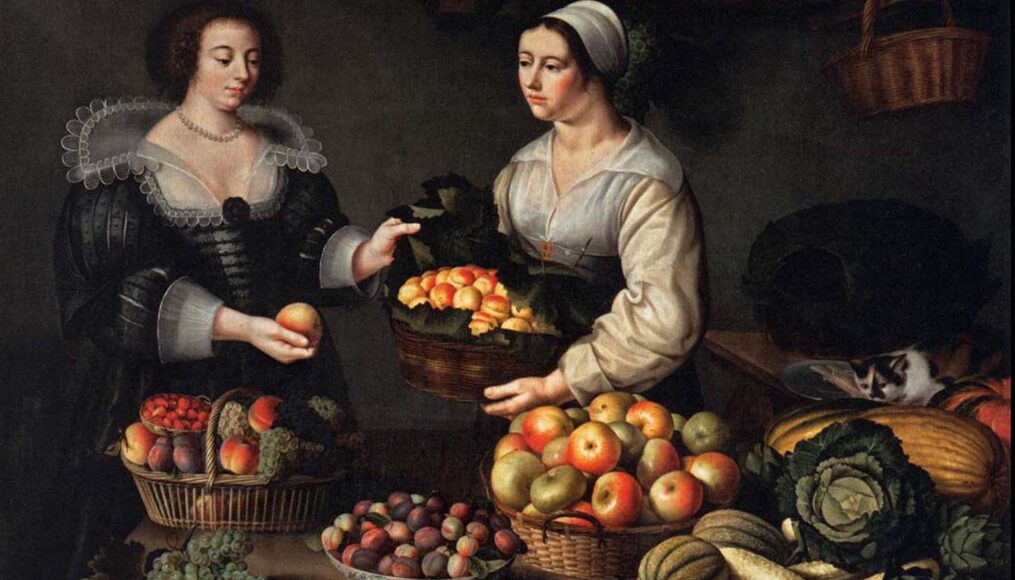
To help students get started, teachers and parents might:
- display one of the fruit-inspired artworks from our curated collection and lead a group discussion
- provide a real piece of fruit for sensory observation
- ask guiding questions such as:
-
- what do you notice first?
- what might this fruit represent?
- what story could be hidden here?
- encourage drafting without worrying about rhyme
- emphasise that there is no single ‘correct’ interpretation.
Ekphrastic poetry values individual perspective, making it inclusive and accessible for all students.
We are inviting students to slow down, observe carefully and transform what they see into words. Through ekphrastic poetry and the theme of fruit, students can discover that even the simplest objects hold powerful stories when viewed with imagination and care.
We look forward to receiving poems that are thoughtful, original, and expressive.